
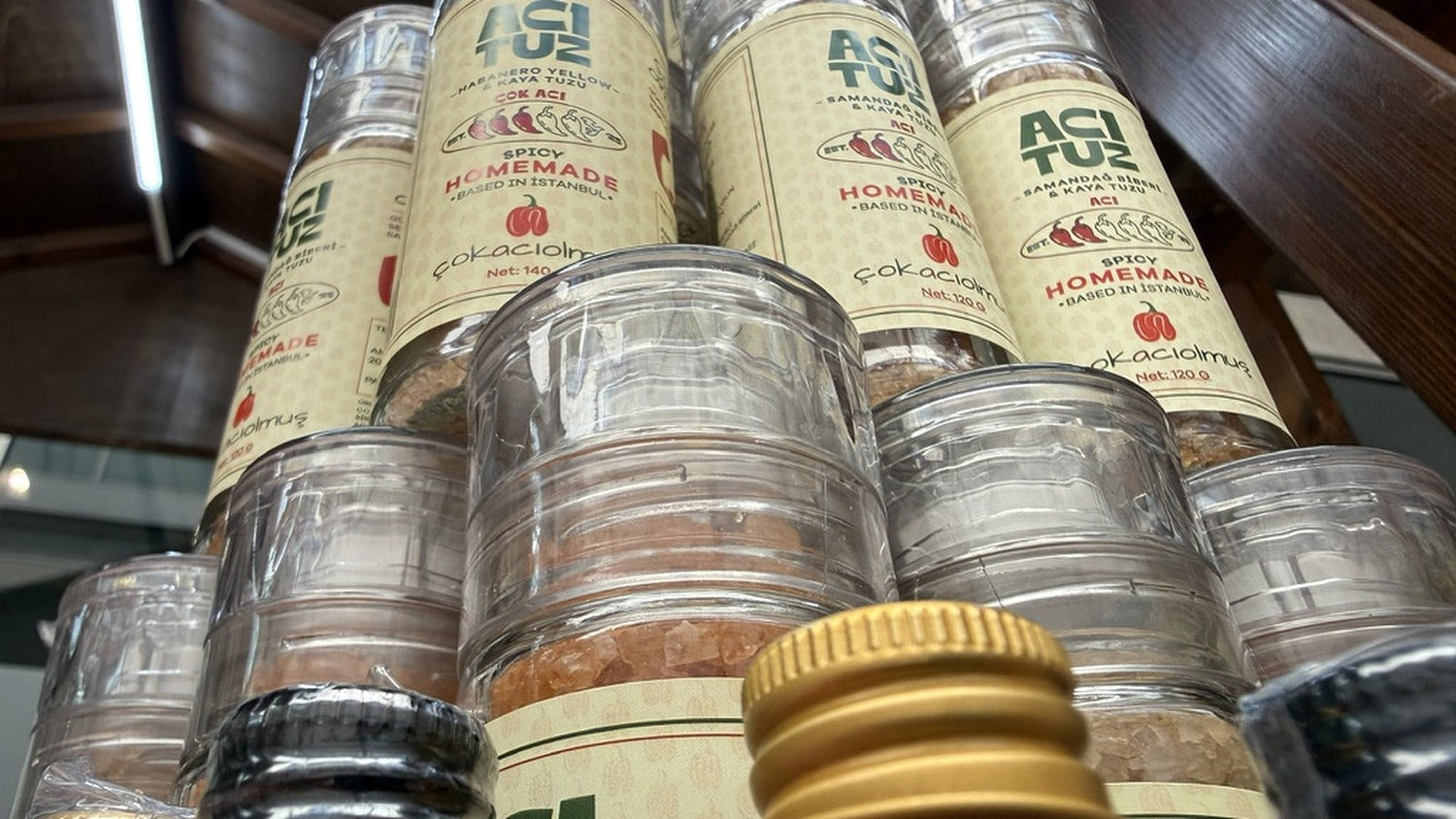
For us, spicy salt is not just "salt with some spice added." It's an instance where rock salt meets hot pepper and gains a completely different character. It simultaneously brings both salt balance and the heat, smell, and aroma of the pepper to your food.
Our main concern when preparing Spicy Salt at çokacıolmuş is this: to use spice not just as heat, but as a part of the flavor. Because not every pepper gives the same heat, smells the same, or feels the same. Ghost Pepper hits differently, Habanero smells differently, Scotch Bonnet leaves a different kind of heat, and Samandağ Pepper has a more familiar and everyday character.
When we prepare our Spicy Salts, we combine rock salt with peppers. The main point here is not just to make the salt spicy; it's to transfer the character of the pepper we use to the salt. This way, what you use at the table goes beyond being a classic salt and transforms into a small but effective product that changes the final touch of your meal.
What is Spicy Salt?
Spicy salt is fundamentally a combination of rock salt and hot pepper. But for us, the issue with a good spicy salt isn't just about "making the salt spicy." Which pepper is used, how does that pepper smell, how long-lasting is its heat, what kind of taste does it leave when combined with salt; that's where the real difference emerges.
In the çokacıolmuş kitchen, each Spicy Salt has a distinct pepper character behind it. The Habanero family gives a more fruity and tropical aroma. Ghost Pepper leaves a deeper, harsher, and longer-lasting heat. Scotch Bonnet has a unique profile, coming from aromatic Caribbean cuisine. Samandağ Pepper, on the other hand, offers a more familiar, balanced, and everyday character.
This is why Spicy Salt is not a standard spice for us. Each variety has its own spirit, its own area of use, and its own level of spiciness. We don't expect everyone who loves spice to love the same product. On the contrary, we want everyone to find their own spice level and the pepper character they love.
What is Spicy Salt Used For?
The most practical aspect of spicy salt is that it delivers two fundamental touches to food at once: salt and heat. Normally, salt is added to food first, then red pepper flakes or hot sauce. In Spicy Salt, these two effects are combined in a single product.
This is precisely why we love our Spicy Salt. When you put it on the table, everyone can adjust their own spice level on their own plate. You don't have to make the meal spicy for everyone from the start. Those who love spice add more, those who prefer it milder use less.
This works especially well when there are people with different spice tolerances at the same table. One person might want to "burn" their plate with Ghost Pepper Spicy Salt, while another might opt for a more balanced option like Habanero or Samandağ.

What Dishes is Spicy Salt Used In?
The uses of Spicy Salt are wider than you might think. We don't see it as just a product to sprinkle on meat. It's very easily used in everyday meals, from breakfast to soup, from potatoes to burgers.
Meat, chicken, and burgers
Grilled meat, meatballs, burgers, chicken wings, steak, and barbecue products work very well with Spicy Salt. Especially when added after cooking, just before serving, both the salt is felt more distinctly and the aroma of the pepper is not lost.
For those who want a stronger and more assertive heat, Ghost Pepper Spicy Salt is a powerful option. Those looking for a more aromatic, spicy, and characterful heat might prefer Scotch Bonnet Spicy Salt.
Potatoes, fries, and snacks
Spicy Salt makes an immediate difference in french fries, baked potatoes, crispy chicken, chips, and snack platters. In our opinion, it's very simple: instead of a plain salt touch, you're adding a little pepper character to the dish.
When you sprinkle some Spicy Salt, the potatoes aren't just salty; they become more fragrant, spicier, and more enjoyable. It offers a very practical use, especially for movie snacks, chip platters, and fried foods.
Eggs and breakfast
One of the best places for Spicy Salt is breakfast. It makes a clear difference in boiled eggs, omelets, menemen (Turkish scrambled eggs), avocado toast, cheese sandwiches, or tomato-cucumber plates.
We especially love Spicy Salts made with fruity peppers like Habanero for breakfast. Because it doesn't just burn; it gives a more vibrant taste to the food with its smell and aroma. Habanero Yellow Spicy Salt is therefore one of the most enjoyable options for daily use.

Soup and stews
Lentil soup, ezogelin soup, tomato soup, dried beans, chickpeas, türlü (vegetable stew), and similar stews yield very good results with Spicy Salt as a final touch.
For these types of dishes, our suggestion is to go with caution. Add a little first, taste it, then increase. Because Spicy Salts prepared with high-heat peppers like Ghost Pepper show their effect clearly even in small amounts.
What is the Difference Between Spicy Salt and Red Pepper Flakes?
Spicy salt and red pepper flakes might seem like similar products from the outside, but their roles in the kitchen are different.
Red pepper flakes make the pepper itself felt more directly. They add texture, are visible on the food, and carry the dry pepper aroma more distinctly. We prefer red pepper flakes in dishes where we want to highlight the pepper itself.
Spicy Salt offers a more homogenous use. It simultaneously provides salt balance and spiciness to the food. It is especially practical as a final touch. When sprinkled on a plate, you get both the salt and the pepper character at the same time.
In our kitchen, both have their separate places. Red pepper flakes come into play when we want to use pepper in a more visible and textured way. Spicy Salt is used when we want to give a quick, balanced, and controlled spicy-salty touch to a dish.
Which Spicy Salt Is Right For You?
The only criterion here shouldn't be "which one is the spiciest?" Because in the world of hot peppers, aroma is as important as heat. That's why we consider our Spicy Salt varieties not just by their heat level, but by their pepper character.
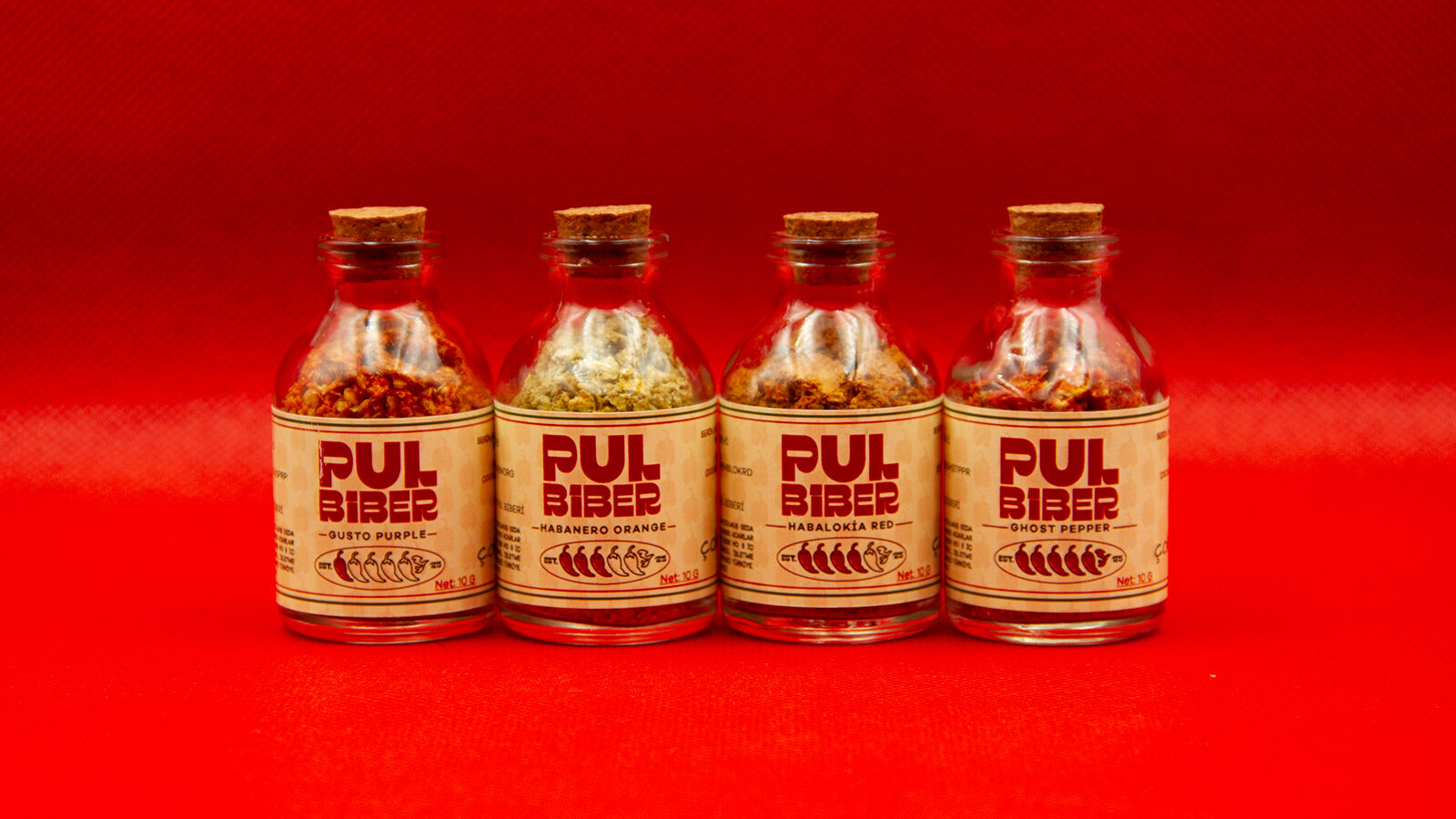
If you want a stronger and more assertive heat, Spicy Salts prepared with peppers like Ghost Pepper, Naga Morich Chocolate, or Habalokia Red would be more appropriate. These are products with higher heat levels, more striking, and more long-lasting.
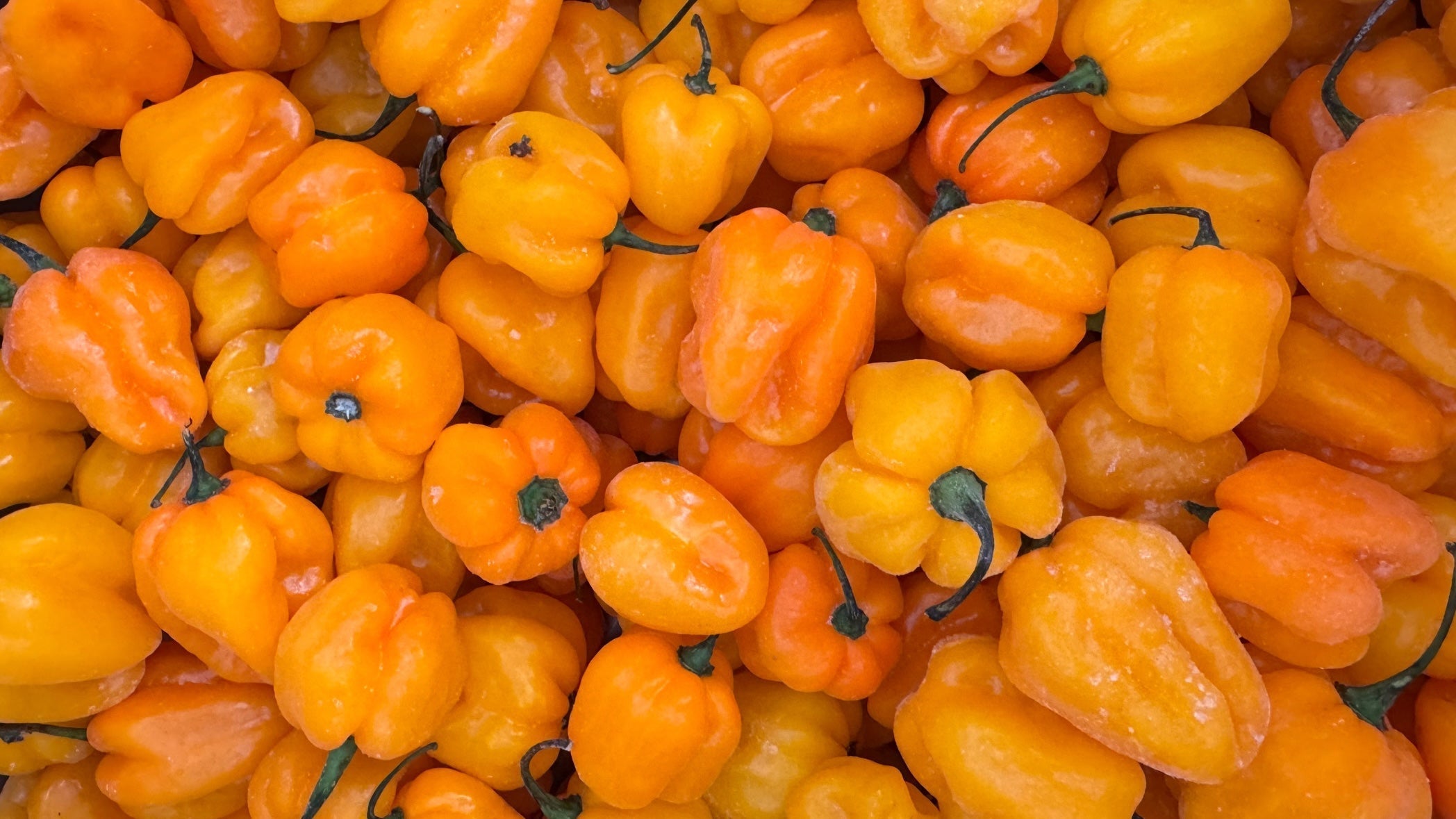
If you want a more aromatic and fruity profile, options like Habanero Yellow, Habanero Orange, or Habanero Peach will be more enjoyable. These peppers provide not only heat but also a distinct smell and taste.
If you are looking for a more balanced product for daily use, options like Scotch Bonnet or Samandağ Pepper can be used more comfortably. These are Spicy Salts that can be used more frequently at the table, adding character to the food without overpowering it.

What Makes a Good Spicy Salt?
In our opinion, the pepper used in a good Spicy Salt should be clear. Just writing "spicy salt" is not enough. Because Ghost Pepper and Habanero do not provide the same experience. Scotch Bonnet and Samandağ Pepper do not have the same character either.
Therefore, information about which pepper is used in the product, its heat level, and its ingredients should be clear. Knowing what you are eating is important. Instead of vague mixtures, unnecessary aromas, or incomprehensible ingredients, products with a clear pepper are a much better choice.
This is our approach at çokacıolmuş. We don't prepare Spicy Salt just to make food spicy. We want the character of the pepper we use to transfer to the salt, and for that salt to truly make a difference at the table.
Frequently Asked Questions About Spicy Salt
Is spicy salt very spicy?
It varies depending on the pepper used. While Spicy Salts prepared with Samandağ Pepper or Scotch Bonnet can be more controlled, products prepared with peppers like Ghost Pepper give a much higher heat.
Should spicy salt be used while cooking or after serving?
Both are possible. However, if you want to get a clearer aroma and heat from the pepper, we recommend using it after serving. This way, both the salt balance and the pepper character remain more distinct.
Can spicy salt replace red pepper flakes?
Not entirely. Red pepper flakes provide the texture and dry aroma of the pepper. Spicy Salt, on the other hand, offers salt and spiciness together. They are different products and have different uses.
What dishes does spicy salt go well with?
It works very well with meat, chicken, burgers, potatoes, eggs, soups, pasta, pizza, sandwiches, and snack platters. We especially love to use it on eggs for breakfast, on french fries, and in burgers.
How should spicy salt be stored?
It should be stored in a cool, dry place away from direct sunlight. When kept sealed, it retains its aroma and structure longer. Keeping it away from moisture is especially important.
Finally
Spicy Salt is a small but impactful product in the kitchen. It offers a more characterful experience than classic salt and a more practical use than red pepper flakes. Most importantly, it brings the aroma of the pepper we use to the table.
At çokacıolmuş, we prepare Spicy Salt not just to make food hot, but to add the character of the pepper to the food. This is why we offer options with different levels of heat and aroma, from Ghost Pepper to Habanero, from Scotch Bonnet to Samandağ Pepper.
If you see spice not just as heat, but as part of the flavor, you can check out çokacıolmuş Spicy Salt collection. Each variety has its own character, its own area of use, and its own level of spiciness.

Leave a comment
This site is protected by hCaptcha and the hCaptcha Privacy Policy and Terms of Service apply.