
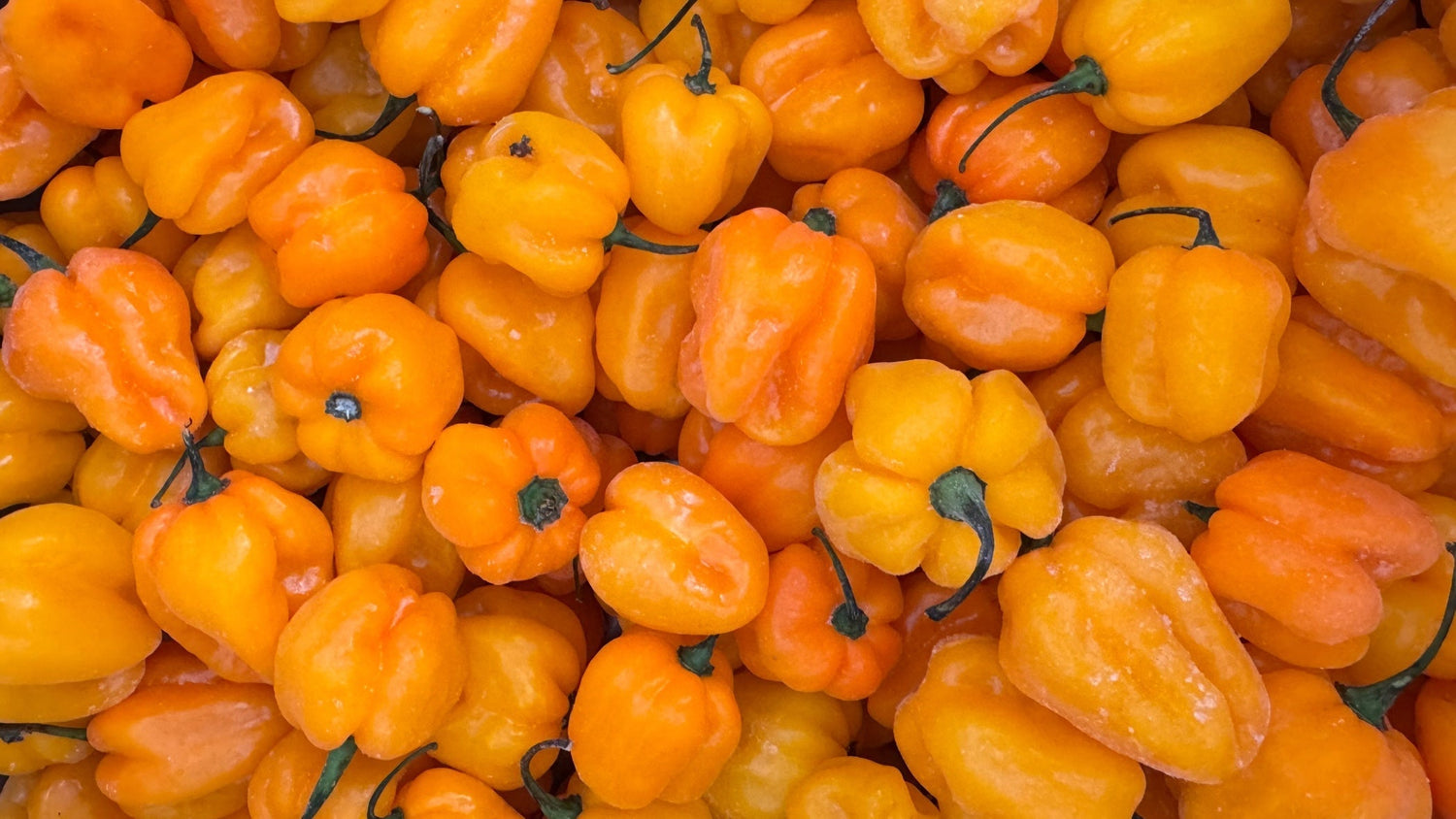
The real difference between chili pepper varieties is not just how much they burn. Some peppers give a clean and quick heat to a dish, some carry an aroma reminiscent of tropical fruits, while others leave a darker, smoky, and long-lasting character.
At our greenhouse in Beykoz, we cultivate many pepper varieties from different countries side by side. Even if two peppers harvested on the same day look similar, their aroma, the sensation they leave in the mouth, and how they behave in a dish can be completely different. For this reason, our first question when getting to know a pepper is not "how hot is it?" but rather "what kind of character does it have and which dish does it enhance?"
In this guide, we describe the varieties based on our own cultivation and tasting experience, without ranking them in a competition. We've prepared a roadmap to make your selection easier, from everyday-use peppers to tropical-aromatic ones, and from dark and deep varieties to intensely flavored peppers that should be used in small amounts.
What Do We Look For When Choosing a Pepper?
To understand a pepper's character, we look at four points: its aroma, how the heat develops, how long it lingers in the mouth, and its relationship with the other ingredients in the dish.
Aroma and flavor are among the first distinguishing features of a pepper. Some varieties smell green and fresh, while others can evoke apricots, mangoes, or citrus fruits. Darker varieties like Mulato and Naga Morich Chocolate can exhibit deeper notes approaching cocoa, coffee, dried fruit, and earthy sensations.
The way the heat develops also varies from variety to variety. Peppers like Bird's Eye leave a quicker and sharper impression, while Ghost Pepper has a character that rises more slowly. This difference causes two peppers used in the same quantity to be perceived completely differently in a dish.
Compatibility with food is the most important point for us. A very strong pepper does not work well in every recipe. Sometimes, the clean character of Cayenne in a simple soup works much better than an intense pepper. Likewise, while a fruity Habanero pairs wonderfully with fish or chicken, the darkly aromatic Mulato becomes more meaningful in red meat and slow-cooked sauces.
Clean, Lively, and Everyday-Use Peppers
The varieties in this group add vibrancy to a dish without changing its overall character. This is the most comfortable area for those who use chili every day but don't want every plate to transform into a different flavor.

Cayenne Pepper
What we love about Cayenne is its directness and clarity. It provides a clean heat, pairs easily with different ingredients, and when used in the right amount, it doesn't overpower the dish. It can be comfortably used in eggs, soups, pasta, pizza, meat, and vegetable dishes.
We are not detailing Cayenne further here because we already have a separate guide covering everything from its cultivation to its use. Those who want to delve deeper can check out our article What is Cayenne Pepper?
Samandağ Pepper
Samandağ Pepper carries a more familiar, hot, and easily integrated character into Turkish cuisine. It forms a natural bond with traditional flavors, from lentil soup to white bean stew, from breakfast to kebabs and meat dishes. It's a strong option for those who want a distinct heat without searching for exotic aromas, while preserving the dish's own character.
Bird’s Eye
Despite its small size, Bird's Eye leaves a lively and quick impression. Especially in wok dishes, noodles, chicken, rice, and fresh sauces, it provides sharpness without making the dish heavy. The important thing here is to keep the quantity small, because its quickly developing character reveals itself even with a few small touches.

Fruity and Tropical Character Peppers
One of the most surprising aspects of the chili pepper world is the presence of such distinct fruit aromas alongside high heat. The Habanero family and Scotch Bonnet are the best examples of this group.
Habanero Orange
Habanero Orange carries an intense, bright, and classic tropical character. The moment you smell it, a lively profile reminiscent of apricots, mangoes, and citrus fruits is felt. It works very well in salsas, chicken, fish, shrimp, and fruit-based sauces.
Using this pepper only to make a dish hot would be missing its true strength. When used in controlled amounts, it adds both heat and a distinct aroma to the dish.
Habanero Yellow and Habanero Peach
Habanero Yellow leans towards a fresher and livelier direction, while Habanero Peach leaves a softer, floral, and rounder aroma. Although they come from the same family, they do not yield the same result in the same recipe. Yellow works especially well in breakfast dishes, chicken, and citrus sauces; Peach creates a nice balance in fish, seafood, and fruit-based recipes.
Scotch Bonnet
While Scotch Bonnet is close to the Habanero family, it has a more intense and unique character. Its tropical scent is strong, its start is slightly sweet, and the impression it leaves on the dish is more pronounced. It stands out in chicken, barbecue, seafood, and Caribbean-inspired marinades.
When you taste Habanero and Scotch Bonnet side by side, the difference is immediately apparent as much as the similarity: Habanero feels brighter and more citrus-oriented, while Scotch Bonnet leaves a fuller and more intense aroma.
Dark, Smoky, and Deeply Aromatic Peppers
Some peppers carry dark aromas that deepen the background of a dish, rather than a fresh and bright character. These varieties pair well with red meat, burgers, barbecues, stews, and slow-cooked sauces.
Mulato Pepper
Mulato is one of the best varieties demonstrating that pepper selection cannot be based solely on heat. Alongside a calmer heat, it has a distinct depth reminiscent of cocoa, coffee, dried plum, and subtle tobacco notes.
In red meat sauces, marinades, dried legume dishes, and slow-cooked recipes, it adds character without making the dish overly hot. It's also an excellent introduction for those new to heat but looking for something different from the usual pepper aroma.
Ghost Pepper
The smoky and earthy aroma that Ghost Pepper initially gives combines with its slowly building effect. For this reason, it offers a different experience compared to fast and sharp peppers. When used in very small amounts in stews, intense sauces, burgers, and barbecue recipes, it provides both depth and a long-lasting heat.
When using Ghost Pepper, the aim should not be to make the dish unbearable, but to transfer its dark character into the recipe in a controlled manner. Starting with a small amount and increasing it later is the safest approach.
Naga Morich Chocolate
Naga Morich Chocolate stands apart in terms of aroma as much as its dark color makes it visually distinct. It carries an intense character approaching earthy, cocoa, and subtle coffee notes. It pairs well with red meat, smoked flavors, barbecue, and dark sauces.
Being much more intense than Mulato, it appeals to experienced chili lovers who want similar dark aromas with a stronger effect.

Less Known Varieties Distinguished by Color and Character
The peppers that excite us most in the greenhouse are not always the most well-known. Some varieties completely change the traditional perception of peppers with their color, shape, or aroma.

Buena Mulata
Buena Mulata is visually very striking with its color changing from purple and dark tones to red. It has a fresh, lively, and slightly floral character. It creates a difference in both color and aroma in salsas, fresh sauces, and marinades.
Gusto Purple
Behind its decorative appearance, Gusto Purple has a lively and balanced profile suitable for everyday use. It can be used in salads, sandwiches, salsas, and fresh consumption. It creates a beautiful visual effect, especially in dishes where different colored peppers are used together.

Aji Charapita Red
Aji Charapita Red is a small, bright, and fruity variety. It adds vibrancy to dishes without creating a heavy taste, especially in fish, chicken, and fresh sauces. Despite its small appearance, its aroma is distinct, so it needs to be used in controlled amounts.
Padrón and FM Jalapeño
Padrón has a green, herbaceous character suitable for pan-frying whole and tapas-style presentations. FM Jalapeño offers a familiar yet fresh profile in pickles, burgers, nachos, and sandwiches. These two varieties are strong starting points for those who want to comfortably explore pepper aromas.
How to Choose a Pepper Based on the Dish?
Breakfast and Eggs
Cayenne, Samandağ, and Habanero Yellow work well in eggs and breakfast recipes, as they don't completely overpower the dish. For a more familiar heat, Samandağ can be preferred; for a fresher and more aromatic touch, Habanero Yellow.
Chicken, Fish, and Seafood
Fruity peppers stand out in this group. Habanero Orange, Habanero Peach, Scotch Bonnet, and Aji Charapita Red pair well with fresh ingredients like lemon, lime, mango, and pineapple.
Red Meat and Burgers
The strong taste of red meat can carry darkly aromatic peppers. Mulato, Ghost Pepper, and Naga Morich Chocolate provide depth in burgers, steaks, meatballs, and barbecue sauces. For everyday and simpler use, Cayenne is also a safe option.
Soups and Slow-Cooked Dishes
In soups, stews, white bean dishes, and slow-cooked sauces, the pepper's effect spreads throughout the dish over time. Therefore, it's important to use a small amount initially. Samandağ and Cayenne give a familiar result, while Mulato creates a darker aroma, and Ghost Pepper creates a much more intense and long-lasting character.
Salsas, Marinades, and Cold Sauces
When seeking a fresh and bright character, Bird's Eye, Habanero, Scotch Bonnet, Buena Mulata, and Aji Charapita Red stand out. Since there is no cooking in cold sauces, the pepper's aroma remains clearer, placing the chosen variety's flavor at the center of the recipe.
Why Might the Same Pepper Feel Slightly Different with Each Harvest?
Even peppers from two plants of the same seed growing in the greenhouse may not provide exactly the same experience. Sunlight amount, heat intensity, watering regimen, plant stress, how much the fruit ripens on the vine, and harvest time all affect the aroma.

When green, a pepper might exhibit a fresher and more herbaceous character; when fully ripe, its fruity, sweetish, or dark notes might become more pronounced. The drying method is also important: controlled and balanced drying preserves the aroma, while excessive heat can lead to the pepper feeling flatter and burnt.
For us, these small variations are not a flaw but an indication that the product comes from an agricultural and living material. The goal is not to standardize every harvest in a manufactured way, but to bring out the best version of the variety while preserving its fundamental character.
How Should Beginners Approach Heat?
Instead of pushing heat tolerance all at once, getting to know different flavor families sequentially creates a more enjoyable experience.
- Padrón, FM Jalapeño, or Mulato: To comfortably get acquainted with pepper aromas.
- Cayenne or Samandağ: For a more distinct but controllable heat in everyday dishes.
- Bird's Eye: To experience a quicker and sharper character.
- Habanero or Scotch Bonnet: To see a stronger effect combined with fruity aroma.
- Ghost Pepper or Naga Morich Chocolate: To move on to dark, long-lasting, and intensely hot varieties that should be used in small amounts.
The goal during this process is not to "reach the highest level." Discovering which aroma you like and which pepper works best for you in which dish makes chili consumption much more sustainable.
Frequently Asked Questions About Chili Pepper Varieties
Which is the fruitiest chili pepper?
The Habanero family and Scotch Bonnet stand out for their fruity character. Habanero Orange is more tropical and bright, Habanero Peach is softer and more floral, and Scotch Bonnet offers a fuller and more intense profile.
Which chili pepper has a smoky and dark aroma?
For a calmer character, Mulato; for a more intense experience, Ghost Pepper and Naga Morich Chocolate are good options. These varieties pair particularly well with red meat and slow-cooked sauces.
Which pepper is more comfortably used in everyday meals?
Cayenne and Samandağ Pepper are among the varieties that are most easily incorporated into daily use. They pair well with familiar dishes and do not overpower other flavors when used in the right amount.
Are Habanero and Scotch Bonnet the same?
No. Although they have similar aromatic properties, they are different varieties. Habanero is generally perceived as brighter and more citrus-oriented, while Scotch Bonnet feels fuller and more intense.
Why does the same pepper sometimes smell different?
Maturity, temperature, sun exposure, watering, and harvest time can all affect a pepper's aroma. It is natural to see small harvest variations within the same variety.
In Conclusion
The world of chili peppers is not just about a single line of heat. The clean and everyday character of Cayenne, the tropical aroma of Habanero, the dark flavor of Mulato, and the slowly rising intensity of Ghost Pepper offer completely different experiences.
At çokacıolmuş, we evaluate peppers not only by how strong they are but also by how they smell, which dishes they complement, and what impression they leave on the table. The reason we track the varieties we grow in our own greenhouse from harvest to product is to preserve these characters as accurately as possible.
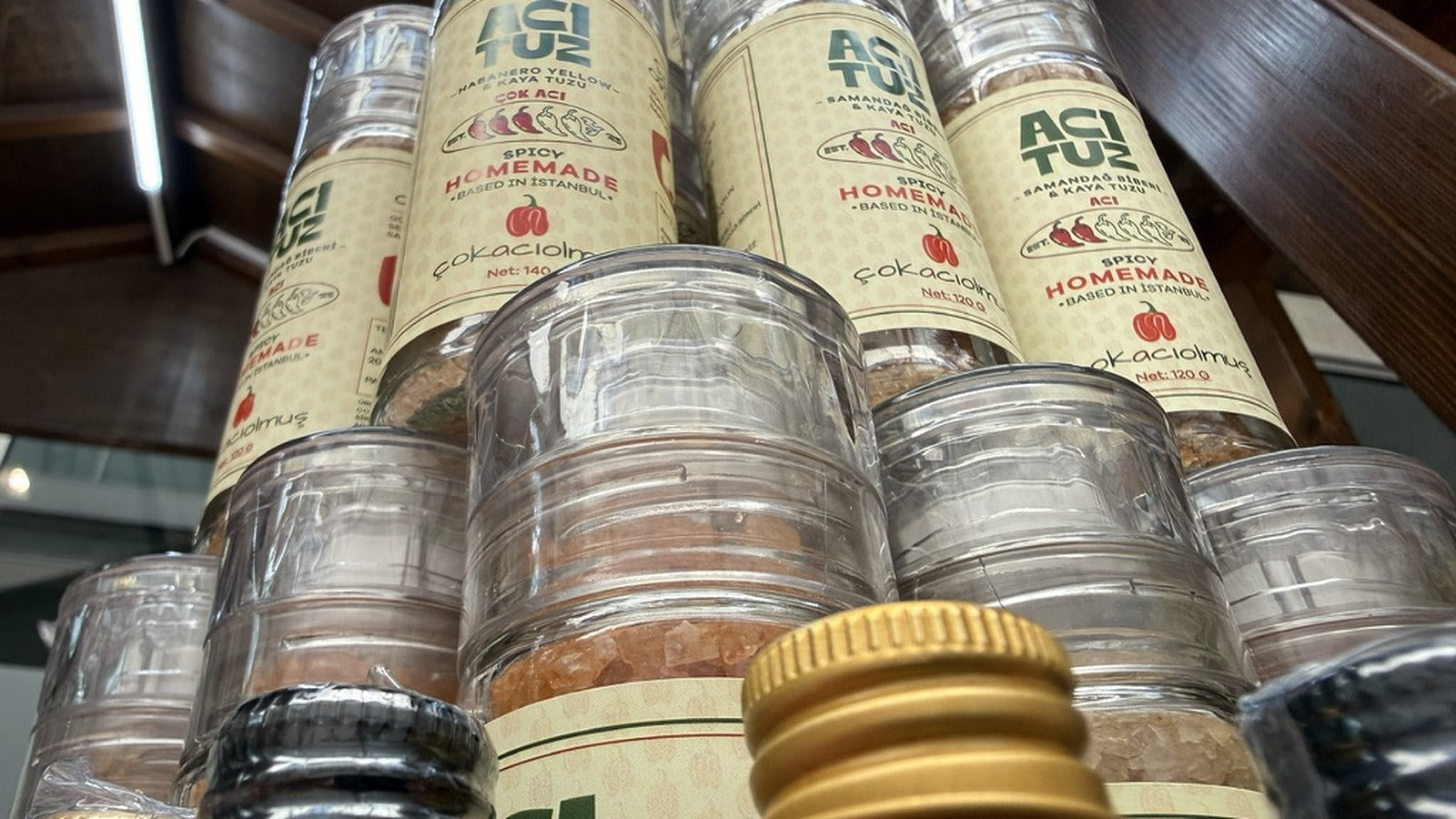
To discover different pepper characters in your kitchen, you can explore our Chili Flakes, Spicy Salt, and Dried Chili Pepper collections.
This article was prepared by the çokacıolmuş team, who cultivate numerous chili pepper varieties in their greenhouse in Beykoz, based on our own production, harvest, and tasting experiences.

Leave a comment
This site is protected by hCaptcha and the hCaptcha Privacy Policy and Terms of Service apply.