
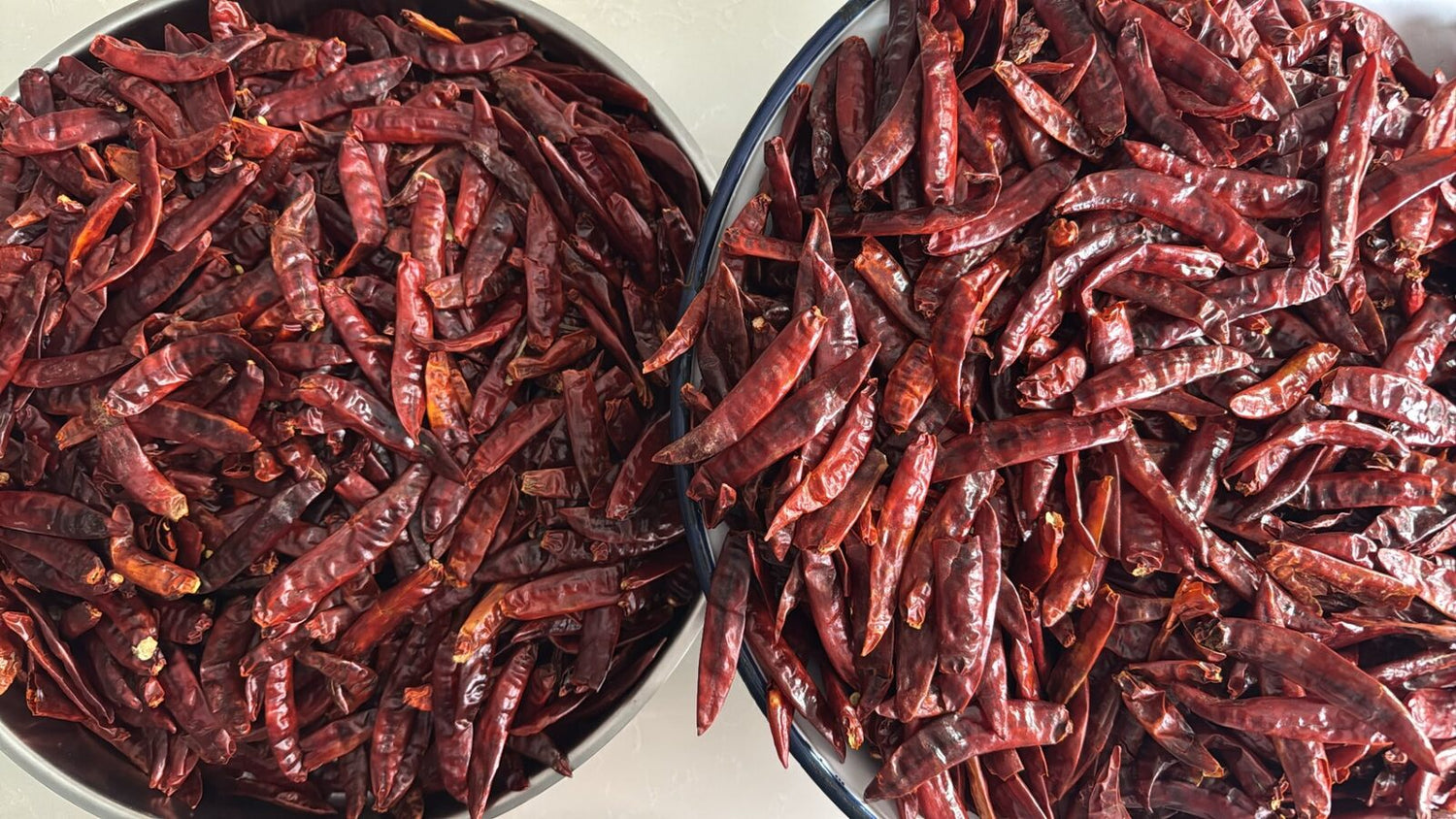
Cayenne pepper (Albanian pepper) is a long, slender hot pepper belonging to the Capsicum annuum species, with a heat rating of 30,000–50,000 SHU. Also known as "Albanian pepper" in Turkey, Cayenne offers an ideal balance point for entering the world of hot peppers — approximately 6 times hotter than a Jalapeño, but much milder than a Habanero.
In recent months, Cayenne is likely the pepper you've encountered most on social media. Health content creators share that they add Cayenne water to their morning routines, dietitians recommend it as a metabolism booster, and doctors discuss the pain-relieving properties of capsaicin. But is this interest truly deserved, or is it just a fleeting trend?
We can answer this question from a slightly different perspective. We cultivate Cayenne Pepper in our greenhouse in Beykoz, Istanbul — witnessing every stage from seed to harvest. We process Cayenne as both Crushed Red Pepper and Dried Pepper, and use it in our meals daily. In this article, we provide a comprehensive guide to Cayenne pepper, blending scientific data with our own experiences.

What is Cayenne Pepper?
Cayenne (pronounced: "kai-yen") is a long, slender, bright red hot pepper belonging to the Capsicum annuum species. Averaging 10-25 cm in length, this pepper turns a vibrant red when ripe.
Named after the city of Cayenne in French Guiana, this pepper is native to Central and South America. It was brought to Europe in the 15th century and gradually found its place in kitchens around the world. In Turkey, it is also known as Albanian pepper.
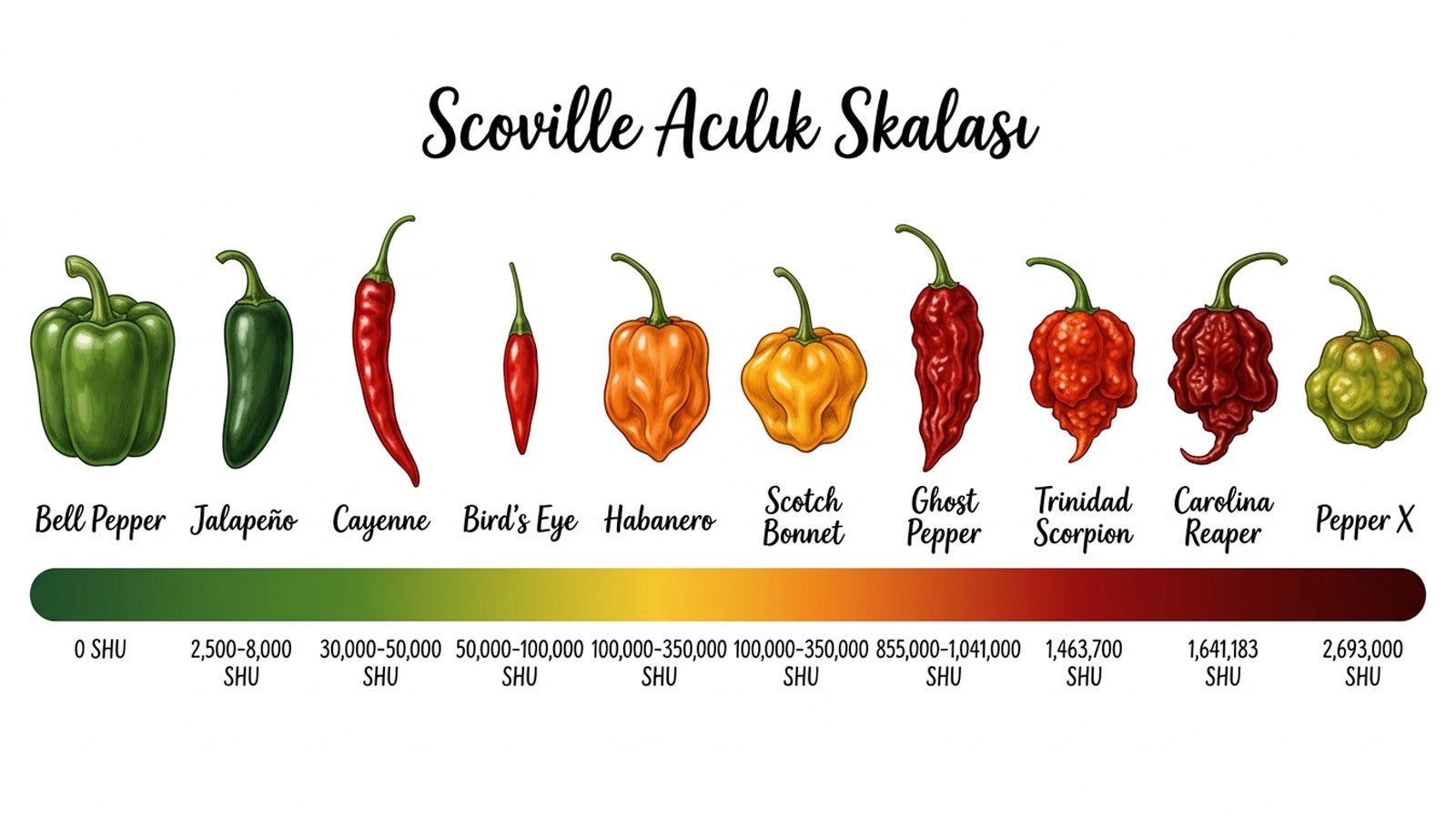
It ranks between 30,000–50,000 SHU on the Scoville scale. What does this mean? It's approximately 6 times hotter than a Jalapeño (2,500–8,000 SHU), but much milder than a Habanero (100,000–350,000 SHU). So, Cayenne is an ideal balance point for anyone who says, "I love spicy, but not too extreme."

Health Benefits of Cayenne Pepper
Behind Cayenne's popularity are serious scientific studies. Most of these benefits stem from capsaicin, the active compound in the pepper. Here's what the scientific world says about Cayenne:
1. Boosts Metabolism
Capsaicin initiates a process called thermogenesis in your body — meaning it increases your body temperature, causing you to burn more calories. According to research published by Cleveland Clinic, regular consumption of capsaicin can increase daily calorie expenditure. Capsaicin has also been shown to increase satiety and reduce appetite.
Of course, it's important to be realistic here: Cayenne alone is not a weight-loss tool, but it can be a supportive part of a balanced diet.
2. Natural Pain-Relieving Effect
One of capsaicin's best-documented benefits is its pain-relieving property. Capsaicin reduces the level of a chemical called Substance P, which carries pain signals to the brain. Less Substance P means less pain sensation.
This property is so potent that the US Food and Drug Administration (FDA) has approved capsaicin-containing topical creams for certain nerve pains. It is used to relieve conditions such as joint pain, muscle pain, and rheumatism.
3. Supports Cardiovascular Health
Capsaicin can improve blood circulation by widening blood vessels. Research indicates that individuals who regularly consume hot peppers have a lower risk of death from heart disease. Capsaicin is also known to help lower cholesterol and triglyceride levels.
4. Supports the Digestive System
It might sound contradictory — can hot pepper be good for the stomach? Yes. Cayenne increases the production of digestive enzymes, allowing food to be broken down more efficiently. Research even shows that capsaicin can help prevent stomach ulcers caused by H. pylori bacteria.
5. Strengthens the Immune System
A single fresh Cayenne pepper provides approximately 72% of the daily Vitamin C requirement. It's also a potent source of Vitamin A — even in powder form, one teaspoon of Cayenne provides 15% of the daily Vitamin A requirement. These vitamins are crucial for the proper functioning of the immune system.
6. Anti-inflammatory and Antioxidant
Capsaicin is a powerful anti-inflammatory compound that reduces inflammation in the body. Cayenne also contains antioxidants like beta-carotene and flavonoids — these substances fight free radicals, helping to prevent cell damage.

Why is Cayenne So Popular in 2026?
Cayenne has actually been used in traditional medicine for thousands of years — from Ayurveda to Chinese medicine. But there are several reasons for its popularity surge in 2025-2026:
The Cayenne water trend. This morning tonic, consisting of warm water, a pinch of Cayenne, and lemon juice, has gone viral among health content creators. It's recommended for improving circulation, supporting digestion, and boosting metabolism.
Search for natural remedies. People are increasingly turning to herbal and natural health supplements. Cayenne, with its centuries of use and scientifically supported benefits, perfectly fits this quest.
Influence of medical content creators. Doctors and dietitians share the benefits of capsaicin on social media — further boosting interest in Cayenne.
Our Instagram page also featured Cayenne in one of our most engaging posts. This interest didn't surprise us — because Cayenne is an excellent gateway into the world of hot peppers. It's spicy enough but controllable; exotic enough but suitable for daily use.
How to Use Cayenne Pepper?
The beauty of Cayenne lies in its versatility. Here are the most effective ways to use it:
As crushed red pepper in dishes. Sprinkle a pinch of Cayenne crushed red pepper over eggs, pasta, soups, meat, and vegetable dishes. Since its spiciness is controllable, you can adjust the amount to your taste.
In sauces and marinades. A simple sauce prepared with olive oil, garlic, and Cayenne elevates the flavor of grilled chicken or fish to a whole new dimension.
In hot beverages. Hot water, lemon juice, and a tiny bit of Cayenne — as the first drink of the day, it awakens the digestive system. You can balance the taste by adding honey.
In detox waters. Mixtures prepared with Cayenne, lemon, and ginger are popular, especially in winter months, to support immunity.
As dried pepper. You can add whole dried Cayenne peppers to soups or stews and cook them for a long time — this way, their aroma slowly infuses the dish. If you wish, you can also crush them yourself in a mortar to make fresh crushed red pepper.
Cayenne and Turkish Cuisine
In Turkey, Cayenne is known as "Albanian pepper" and is not actually unfamiliar to many of our kitchens. But we approach Cayenne a little differently.
Commercial crushed red peppers often consist of a mixture of different pepper varieties — you can't exactly know which pepper's heat you're tasting. In our Cayenne Crushed Red Pepper, however, there's only Cayenne in the jar. Pure, additive-free, single variety. This way, you can fully experience Cayenne's unique aroma — subtly sweet, deep, and warm.
Moreover, Cayenne yields fantastic results in many classic Turkish recipes. A pinch in red lentil soup, a sprinkle on lahmacun, or a small addition to menemen for breakfast — it adds a different depth to familiar dishes.

Nutritional Values of Cayenne Pepper
A single fresh Cayenne pepper (approximately 45 grams) contains:
- Vitamin C: 72% of daily requirement
- Vitamin A: 50% of daily requirement (as beta-carotene)
- Vitamin B6: 13% of daily requirement
- Vitamin K: 5% of daily requirement
- Also contains potassium, magnesium, and iron
Even in powdered (crushed red pepper) form, it retains its effectiveness: one teaspoon of Cayenne crushed red pepper provides approximately 15% of the daily Vitamin A requirement.
How We Grow Cayenne

Cayenne is one of the varieties we grow most in our greenhouse. We cultivate it year-round under controlled climate conditions and grow light systems. The nice thing about Cayenne is that it's a relatively easy pepper to grow — but details are important for obtaining a quality product.
After harvesting, we dry and grind our peppers using natural methods. Each jar contains only Cayenne — no mixtures, no additives, no preservatives. Our goal is to bring the pure aroma and beneficial compounds of this pepper to your table as they are.
Frequently Asked Questions About Cayenne
Is Cayenne pepper spicy?
Yes, but with controllable heat. At 30,000–50,000 SHU, it's hotter than a Jalapeño but much milder than a Habanero. It's an ideal level for entering the world of hot peppers.
Are Cayenne pepper and Albanian pepper the same thing?
Yes. In Turkey, Cayenne pepper is generally known as "Albanian pepper." Both belong to the Capsicum annuum species.
Can Cayenne be consumed daily?
Yes, it can be consumed daily in moderate amounts. Adding a pinch of crushed red pepper to meals or a tiny bit to hot beverages is a safe amount. However, if you have stomach sensitivity, start with a small amount and observe your body's reaction.
Is Cayenne water really beneficial?
A mixture of warm water and Cayenne can increase the production of digestive enzymes and improve blood circulation. Scientific studies support the potential benefits of capsaicin in these areas. But it's not a miracle elixir — it should be considered part of a balanced diet.
Can Cayenne pepper be used during pregnancy?
Always consult your doctor before consuming Cayenne during pregnancy or breastfeeding. Also, individuals taking blood thinners should not consume large amounts of capsaicin without their doctor's approval.
How should Cayenne pepper be stored?
In crushed red pepper form, store it in a cool, dark place, in an airtight glass jar. Keep it away from direct sunlight. This way, it preserves its aroma and color for a long time.
Our Cayenne Products
We offer Cayenne pepper in two different forms:
Cayenne Crushed Red Pepper: Ground dried Cayenne peppers. Ideal for sprinkling over meals, adding to sauces, or using in marinades. In the 2x🌶️ "Spicy" category — a heat level suitable for daily use.
Cayenne Dried Pepper: Whole dried Cayenne peppers. Add them to soups, stews, or crush them yourself in a mortar to make fresh crushed red pepper.
Both products are additive-free, preservative-free, and single variety — there's only Cayenne in the jar.
To explore our products, you can check out our Crushed Red Pepper and Dried Hot Pepper collections.
This article was prepared by the cokaciolmus team, who cultivate over 200 varieties of hot peppers in their greenhouse in Beykoz, Istanbul, based on scientific sources and our own production experiences. For more information about the world of hot peppers, also check out our article The 10 Hottest Peppers in the World. For your questions, you can reach us on Instagram.

Leave a comment
This site is protected by hCaptcha and the hCaptcha Privacy Policy and Terms of Service apply.